
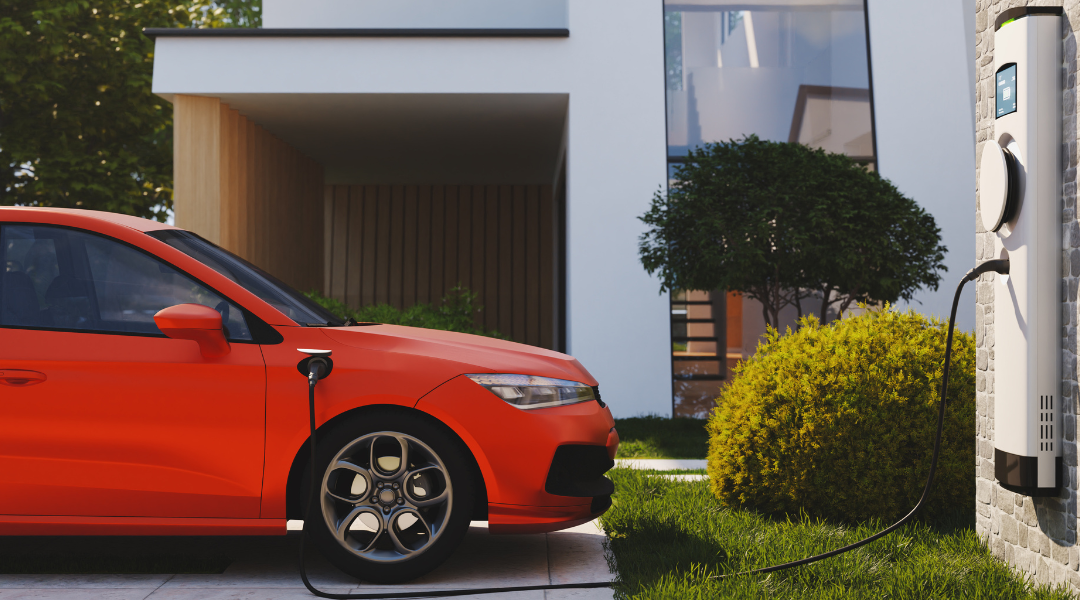
The world of transportation is rapidly changing, with electric vehicles (EVs) becoming increasingly popular. As more and more people make the switch to EVs, the need for efficient and accessible charging infrastructure is becoming paramount. This has led to the rise of EV chargers, which are set to revolutionize the way we charge our EVs. Instead of stopping at charging stations and waiting on a full battery, more EV owners are investing in chargers for the home that can complete a charge overnight.
Kinds of EV Chargers
There are three categories of EV chargers that are categorized by their charging capabilities.
Level 1 chargers are your default chargers that come with your EV. These chargers plug into a standard wall outlet and take the longest time to charge your vehicle. Averaging around 3-5 miles an hour for charging, an overnight charge will give EV owners 30-50 mile range. While this charge is great for commuters, road trippers will need a charger that can provide more power.
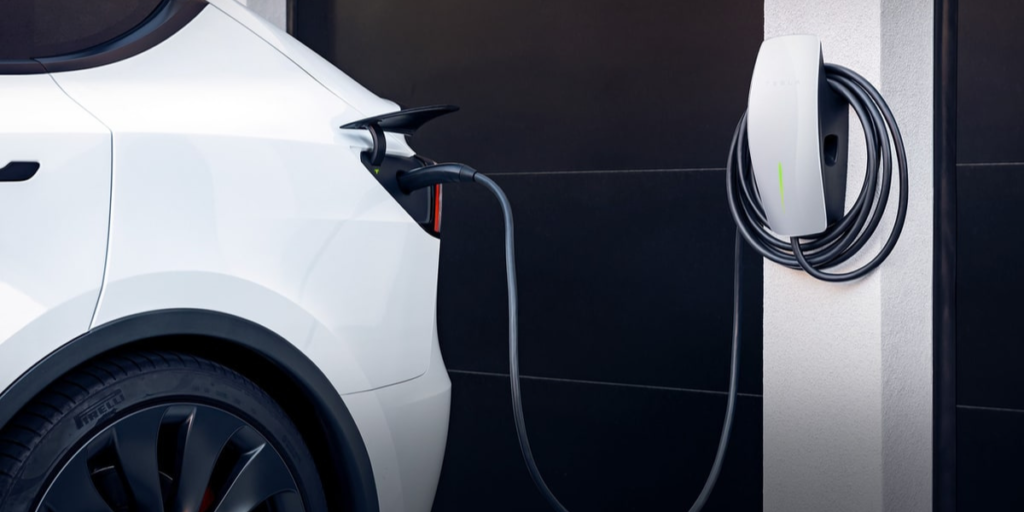
Level 2 chargers are an EV owner’s best option for charging their EVs at home. EV chargers like the Tesla Wall Connector 2 and Wallbox Pulsar Plus 48 are great home solutions for a faster charge. Charging speeds up to 44 miles per hour allows for the average EV to complete a full charge within 4-10 hours. Most solar energy system owners who own an EV, install level 2 chargers with their solar system so the energy they produce can be used to charge their vehicles.
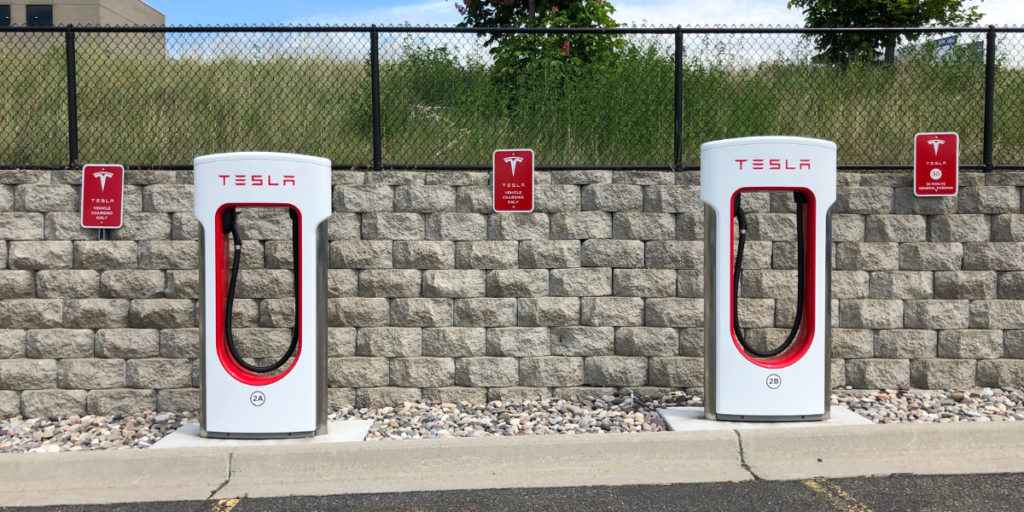
Lastly, level 3 chargers are the charging stations that provide EV owners with the fastest charging available. One hour of charging at a level 3 charger can provide some EV owners with up to 200 miles in 15 minutes. While these charging speeds are the fastest around, EV owners on a road trip will have to stop for an extended period of time until they can resume their trip. Along with waiting, level 3 charging stations have charging fees, similar to how traditional car owners pay gas prices by the gallon.
Benefits of Installing an EV Charger
Convenience
Installing an EV charger in your home is the most convenient way to charge your EV. Being the sweet spot for fast and accessible charging, level 2 EV chargers provide a fast charge while allowing you to stay comfortable in your home rather than sitting in your car at a charging station. On top of quick charging and easy access, our team of licensed electricians can install your EV charger within a day so your EV will be able to charge the same day the installation passes inspection.
Cost Savings
An enticing feature of purchasing an EV is the ability to ditch gas and run your vehicle solely on electricity. In fact, a study from the U.S. The Department of Energy’s National Renewable Energy Laboratory revealed that EV drivers are projected to save $14,500 over 15 years by ditching gas costs. With an EV charger, you could save even more by avoiding charging stations costs. An EV owner can maximize their fuel savings most by investing in a solar energy system for their home. With a solar energy system, EV owners can produce their own electricity that feeds into the EV charger.
Eco-Friendly
EVs are great for the environment as they use no gas and run 100% on electricity. The International Energy Agency states that EVs are set to decarbonize road transportation which is about 16% of global carbon emissions. Besides using gas alone, the transportation and extraction of oil creates a massive carbon footprint. Along with creating carbon offset, renewable energy from solar energy systems can be used to charge your EV; eliminating the need to pull power from the utility grid.

Conclusion
With a level 1 charger, customers can charge their EVs for their daily commute, but not for road trips. With a level 3 charger, customers can charge their vehicles very quickly, but it comes at a cost with each charge. Level 2 chargers provide EV owners with the best of both worlds. Fast and cost effective EV charging can be brought to any home with level 2 chargers.
IEA Link :https://www.iea.org/energy-system/transport/electric-vehicles